

Your vacation should begin when you leave Fort Lauderdale; not after your back finally recovers from the flight. Hours of sitting, waiting at the gate, carrying luggage, and navigating a long travel day can leave your lower back, hips, and neck feeling stiff and uncomfortable, but a few smart movement and posture strategies can make the journey easier on your body.
At Express Life Chiropractic, we help Fort Lauderdale and Wilton Manors residents understand what is contributing to their discomfort and build personalized care plans around better movement, mobility, and long-term wellness. If travel repeatedly leaves you in pain, our goal is to identify why and not to simply mask the symptoms until your next trip.
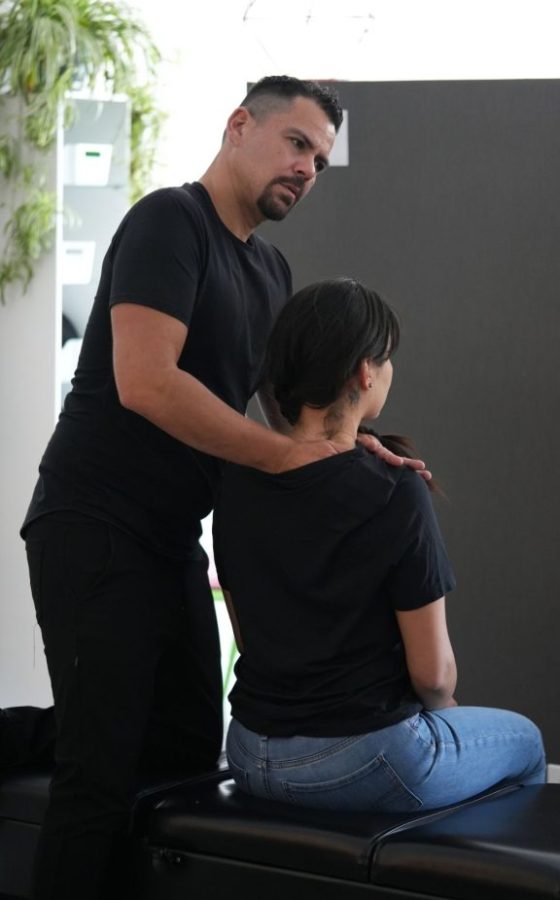
Why Long Travel Days Can Leave Your Back Feeling Stiff
Flying out of Fort Lauderdale-Hollywood International Airport may involve much more sitting than the actual flight. You may spend time driving to FLL, waiting at the gate, sitting on the airplane, waiting during a connection, and then sitting again in a rental car or rideshare at your destination.
Remaining in one position for extended periods can leave the muscles surrounding your lower back and hips feeling tight and fatigued. Limited movement combined with an uncomfortable seat or awkward posture can also make existing back problems more noticeable.
Travel can become especially challenging if you already experience:
- Lower back pain
- Sciatica
- Hip tightness
- Neck and shoulder tension
- Joint stiffness
- Postural problems
- Previous car accident or sports injuries
The solution is not maintaining one “perfect” posture for an entire flight. Your body is designed to move, so changing positions and incorporating movement throughout the day can help you arrive feeling better.
Simple In-Seat Movements to Keep Your Body Moving
You do not need an airport gym to keep your body moving during a flight.
When it is safe and appropriate, simple movements can help prevent your legs and joints from remaining completely inactive for hours.
Try:
- Raising and lowering your heels
- Raising your toes while keeping your heels down
- Slowly flexing and relaxing your calf muscles
- Gently changing your leg position
- Rolling your shoulders
- Moving your ankles through a comfortable range
- Periodically standing and walking when permitted
For longer trips, get up periodically when it is safe to do so. An aisle seat may make this easier if you know that sitting for extended periods makes you uncomfortable.
Movement is particularly important during flights lasting several hours. Long periods of immobility can also increase blood-clot risk for certain travelers, so people with known risk factors should discuss long-distance travel with their physician before departure.

How to Lift and Carry Luggage With Less Strain
Sometimes the flight is not what aggravates your back. The suitcase does.
Pulling a heavy suitcase from a trunk, lifting it onto a scale, placing it in an overhead compartment, and carrying bags through a terminal can create significant physical demands, particularly when lifting while twisting.
When handling luggage:
- Keep the bag close to your body when lifting
- Avoid twisting while holding a heavy suitcase
- Turn your entire body instead of rotating only through your back
- Use both hands when practical
- Ask for assistance with heavy overhead luggage
- Use rolling luggage instead of carrying heavy bags long distances
- Distribute weight rather than overloading one shoulder
If a suitcase feels too heavy to place safely into the overhead compartment, asking for help is smarter than beginning your vacation with an avoidable back strain.
What to Do During a Connection or Long Airport Wait
A long connection is an opportunity to reset your body.
Rather than spending another hour sitting at the gate, walk through the terminal if your schedule and health allow. Even a few minutes of comfortable movement can break up extended periods of sitting.
During a connection, consider:
- Taking a short walk through the terminal
- Standing instead of sitting for part of the wait
- Gently moving your hips and shoulders
- Changing positions regularly
- Avoiding prolonged slouching over your phone
- Using your rolling luggage rather than carrying bags unnecessarily
The same idea applies before your first flight from FLL. Once you reach the gate, you may benefit from moving around rather than immediately sitting until boarding begins.
Think of the airport as an opportunity to move before the next period of unavoidable sitting.
How to Reset Your Body After You Land
Once you arrive, your body may need time to transition from hours of restricted movement back into normal activity.
Instead of immediately performing an intense workout or lifting heavy luggage repeatedly, give yourself an opportunity to move naturally.
A simple post-flight reset may include:
- Walking at a comfortable pace
- Gentle mobility movements
- Changing out of restrictive travel positions
- Returning gradually to normal activity
- Paying attention to movements that feel unusually limited or painful
If you are traveling for a golf trip, cruise, beach vacation, skiing trip, or another physically demanding activity, consider giving your body time to recover from the travel day before immediately pushing into strenuous activity.
The goal is to arrive ready to enjoy your destination and not spend the first day managing unnecessary discomfort.
How a Chiropractic Evaluation May Help With Persistent Travel Pain
If every long flight leaves you dealing with the same back, hip, neck, or sciatic discomfort, there may be more happening than an uncomfortable airplane seat.
At Express Life Chiropractic, we begin by evaluating the way your body moves and identifying physical factors that may be contributing to recurring symptoms.
Your evaluation may consider:
- Spinal and joint mobility
- Posture
- Range of motion
- Previous injuries
- Muscle and movement patterns
- Your work and travel habits
- Where pain begins and whether it travels
- Activities that improve or aggravate your symptoms
Digital X-rays may also be used when appropriate as part of your evaluation.
Once we understand your condition, we can determine whether chiropractic care may be appropriate and create recommendations tailored to your body.
Your personalized care may include:
Precise Chiropractic Adjustments
Targeted adjustments may be used to improve joint movement and address areas of restriction identified during your evaluation.
High-Level Adjusting
Our high-level adjusting approach allows care to be customized based on your individual spinal findings, symptoms, and health goals.
Mobility and Movement Recommendations
We may identify movements and mobility strategies that help you better manage long periods of sitting, travel, work, and everyday activity.
Posture and Lifestyle Guidance
Your habits between appointments matter. Recommendations may include travel positioning, workstation ergonomics, movement breaks, and other practical strategies for reducing unnecessary physical stress.
Our goal is not simply to help you recover from one uncomfortable flight. It is to help you understand why discomfort keeps returning and build a stronger foundation for how you want to live.

Start Your Journey to Health and Wellness with Express Life Chiropractic Today
Your ability to travel, move, work, exercise, and enjoy life should not continually be limited by back pain. If long flights or travel days repeatedly leave you stiff and uncomfortable, Express Life Chiropractic can help you investigate what may be contributing to the problem and develop a personalized path forward.
Schedule your chiropractic evaluation today and experience an elevated approach to pain management, mobility, and long-term wellness designed for the way you want to live.